How to Introduce Vocabulary With Letter A Themes
December 2, 2025 · 13 min read
Want to make letter A vocabulary stick? Start with **age-appropriate words** like "apple" or "ambition," then use **eye-catching visuals**—flashcards or posters—to spark curiosity. Toss in stories or games where these words become characters or challenges. How about crafting or a catchy song to make learning tangible? Writing simple sentences using "adventure" or "art" reinforces meaning, while **interactive tech** keeps things lively. Curious how all these pieces fit together for maximum impact? Keep exploring to find out.
## Key Takeaways
- Select age-appropriate letter A words balancing familiar and intriguing vocabulary to engage learners effectively.
- Use visual aids like flashcards and interactive posters to connect words with vivid images.
- Incorporate letter A-themed storytelling and character crafting to make vocabulary memorable and relatable.
- Design writing activities centered on letter A words, encouraging creative sentence and story development.
- Utilize interactive technology and games to create immersive, motivating vocabulary learning experiences.
## Selecting Age-Appropriate Letter A Vocabulary
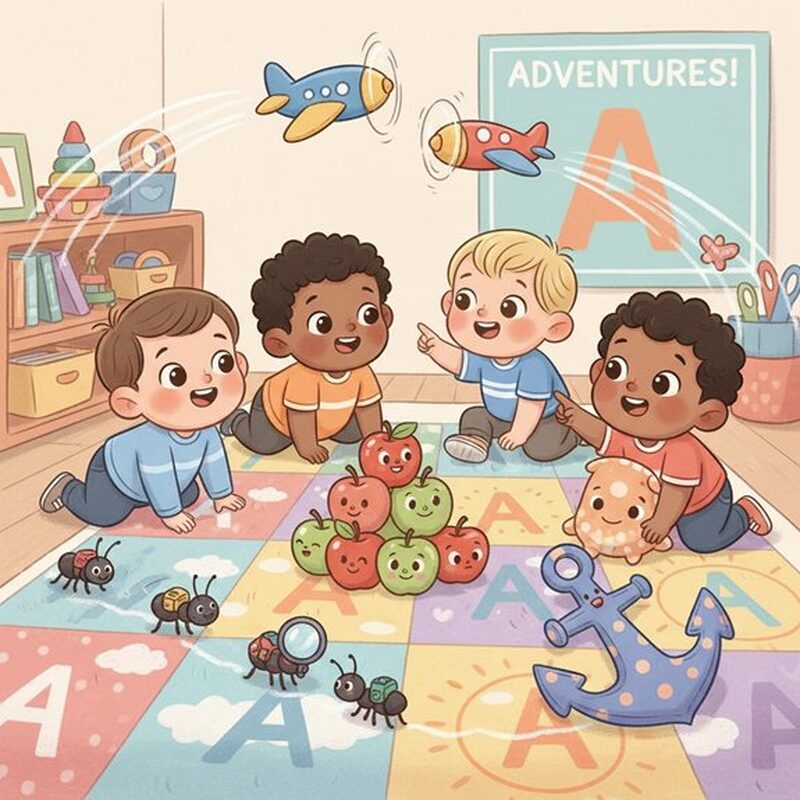
Choosing the right words to **introduce** can feel like a puzzle, especially when focusing on vocabulary starting with the letter A. You want your vocabulary selection to match the **age range** of your audience, ensuring the words feel relevant and accessible. Think about who you’re teaching—are they **early learners** just getting familiar with letters, or **older students** ready for more **complex terms**? Matching vocabulary to their age range helps keep them engaged without causing frustration. You wouldn’t throw “aristocracy” at a kindergartner, right? Instead, simpler words like “apple” or “ant” fit nicely. But for teens, why not challenge them with “ambiguous” or “allegiance”? The key is **balancing familiarity and curiosity**, giving learners freedom to explore new words while staying grounded in what they already understand. So, how will you choose your letter A words to open doors rather than close them? It’s a thoughtful step that sets the stage for a **richer learning adventure**.
<div class="grid grid-cols-1 md:grid-cols-2 lg:grid-cols-3 gap-8 not-prose my-12">
<div class="bg-white rounded-xl shadow-md hover:shadow-xl transition-all duration-300 border border-gray-100 hover:border-yellow-400 flex flex-col h-full transform hover:-translate-y-1">
<div class="w-full aspect-square relative overflow-hidden group rounded-t-xl">
<img src="/public/assets/uploads/6930c16598ea6.jpg" class="w-full h-full object-cover transition duration-500 group-hover:scale-105" alt="Cover">
<div class="absolute top-0 right-0 bg-yellow-400 text-yellow-900 text-xs font-bold px-3 py-1 rounded-bl shadow-sm z-10">
FEATURED </div>
</div>
<div class="p-6 flex-grow flex flex-col">
<div class="flex items-center gap-4 mb-4">
<img src="/public/assets/uploads/6930c20771520.jpg" class="w-16 h-16 object-contain border rounded bg-gray-50 p-1">
<div>
<div class="flex flex-wrap gap-2 mb-1">
<span class="text-[11px] font-bold px-2 py-1 rounded uppercase tracking-wide"
style="color: #1d4ed8; background-color: #e0f2fe; border: 1px solid #bfdbfe;">
Restaurants </span>
<span class="text-[11px] font-bold px-2 py-1 rounded uppercase tracking-wide"
style="color: #1d4ed8; background-color: #e0f2fe; border: 1px solid #bfdbfe;">
Retail </span>
</div>
<h3 class="text-xl font-bold leading-tight text-gray-900 m-0">Kelley's Honey</h3>
<!-- Rating -->
<div class="flex items-center gap-1 mt-1">
<div class="flex text-yellow-400">
<svg class="w-4 h-4 fill-current" viewBox="0 0 20 20"><path d="M9.049 2.927c.3-.921 1.603-.921 1.902 0l1.07 3.292a1 1 0 00.95.69h3.462c.969 0 1.371 1.24.588 1.81l-2.8 2.034a1 1 0 00-.364 1.118l1.07 3.292c.3.921-.755 1.688-1.54 1.118l-2.8-2.034a1 1 0 00-1.175 0l-2.8 2.034c-.784.57-1.838-.197-1.539-1.118l1.07-3.292a1 1 0 00-.364-1.118L2.98 8.72c-.783-.57-.38-1.81.588-1.81h3.461a1 1 0 00.951-.69l1.07-3.292z"/></svg>
<svg class="w-4 h-4 fill-current" viewBox="0 0 20 20"><path d="M9.049 2.927c.3-.921 1.603-.921 1.902 0l1.07 3.292a1 1 0 00.95.69h3.462c.969 0 1.371 1.24.588 1.81l-2.8 2.034a1 1 0 00-.364 1.118l1.07 3.292c.3.921-.755 1.688-1.54 1.118l-2.8-2.034a1 1 0 00-1.175 0l-2.8 2.034c-.784.57-1.838-.197-1.539-1.118l1.07-3.292a1 1 0 00-.364-1.118L2.98 8.72c-.783-.57-.38-1.81.588-1.81h3.461a1 1 0 00.951-.69l1.07-3.292z"/></svg>
<svg class="w-4 h-4 fill-current" viewBox="0 0 20 20"><path d="M9.049 2.927c.3-.921 1.603-.921 1.902 0l1.07 3.292a1 1 0 00.95.69h3.462c.969 0 1.371 1.24.588 1.81l-2.8 2.034a1 1 0 00-.364 1.118l1.07 3.292c.3.921-.755 1.688-1.54 1.118l-2.8-2.034a1 1 0 00-1.175 0l-2.8 2.034c-.784.57-1.838-.197-1.539-1.118l1.07-3.292a1 1 0 00-.364-1.118L2.98 8.72c-.783-.57-.38-1.81.588-1.81h3.461a1 1 0 00.951-.69l1.07-3.292z"/></svg>
<svg class="w-4 h-4 fill-current" viewBox="0 0 20 20"><path d="M9.049 2.927c.3-.921 1.603-.921 1.902 0l1.07 3.292a1 1 0 00.95.69h3.462c.969 0 1.371 1.24.588 1.81l-2.8 2.034a1 1 0 00-.364 1.118l1.07 3.292c.3.921-.755 1.688-1.54 1.118l-2.8-2.034a1 1 0 00-1.175 0l-2.8 2.034c-.784.57-1.838-.197-1.539-1.118l1.07-3.292a1 1 0 00-.364-1.118L2.98 8.72c-.783-.57-.38-1.81.588-1.81h3.461a1 1 0 00.951-.69l1.07-3.292z"/></svg>
<svg class="w-4 h-4 text-gray-300 fill-current" viewBox="0 0 20 20"><path d="M9.049 2.927c.3-.921 1.603-.921 1.902 0l1.07 3.292a1 1 0 00.95.69h3.462c.969 0 1.371 1.24.588 1.81l-2.8 2.034a1 1 0 00-.364 1.118l1.07 3.292c.3.921-.755 1.688-1.54 1.118l-2.8-2.034a1 1 0 00-1.175 0l-2.8 2.034c-.784.57-1.838-.197-1.539-1.118l1.07-3.292a1 1 0 00-.364-1.118L2.98 8.72c-.783-.57-.38-1.81.588-1.81h3.461a1 1 0 00.951-.69l1.07-3.292z"/></svg>
</div>
<span class="text-xs text-gray-600 font-bold">4</span>
<span class="text-xs text-gray-500">(450 reviews)</span>
</div>
<div class="text-sm text-gray-500 mt-1 flex items-start gap-1">
<svg class="w-4 h-4 flex-shrink-0 mt-0.5" fill="none" stroke="currentColor" viewBox="0 0 24 24"><path stroke-linecap="round" stroke-linejoin="round" stroke-width="2" d="M17.657 16.657L13.414 20.9a1.998 1.998 0 01-2.827 0l-4.244-4.243a8 8 0 1111.314 0z"></path><path stroke-linecap="round" stroke-linejoin="round" stroke-width="2" d="M15 11a3 3 0 11-6 0 3 3 0 016 0z"></path></svg>
<div class="leading-tight">
<div>2150 S Central Expy, Suite #200</div>
<div>McKinney, TX 75070</div>
</div>
</div>
</div>
</div>
<!-- Testimonial -->
<div class="mb-4 bg-gray-50 p-3 rounded border-l-4 border-yellow-400 text-sm text-gray-600 italic">
"Love their service, always on point! - John Doe"
</div>
<!-- Gallery -->
<div class="text-gray-600 mb-6 flex-grow text-sm">
As a Texas based, family-owned and operated business, our passion for bees grew from more than 100 years of experience in both beekeeping and packing. </div>
<div class="mt-auto pt-6 border-t space-y-2">
<div class="flex items-center gap-2 text-sm font-semibold text-gray-700 mb-3">
<svg class="w-5 h-5 text-green-500" fill="none" stroke="currentColor" viewBox="0 0 24 24"><path stroke-linecap="round" stroke-linejoin="round" stroke-width="2" d="M13 7h8m0 0v8m0-8l-8 8-4-4-6 6"></path></svg>
<span>28 locals recently bought their honey</span>
</div>
<div class="flex items-center gap-2 text-sm">
<svg class="w-4 h-4 text-gray-400" fill="none" stroke="currentColor" viewBox="0 0 24 24"><path stroke-linecap="round" stroke-linejoin="round" stroke-width="2" d="M3 5a2 2 0 012-2h3.28a1 1 0 01.948.684l1.498 4.493a1 1 0 01-.502 1.21l-2.257 1.13a11.042 11.042 0 005.516 5.516l1.13-2.257a1 1 0 011.21-.502l4.493 1.498a1 1 0 01.684.949V19a2 2 0 01-2 2h-1C9.716 21 3 14.284 3 6V5z"></path></svg>
<a href="tel:(214)555-1212" class="hover:text-blue-600 transition" data-track-id="2" data-track-type="phone">(214)555-1212</a>
</div>
<div class="flex items-center gap-2 text-sm">
<svg class="w-4 h-4 text-gray-400" fill="none" stroke="currentColor" viewBox="0 0 24 24"><path stroke-linecap="round" stroke-linejoin="round" stroke-width="2" d="M3 8l7.89 5.26a2 2 0 002.22 0L21 8M5 19h14a2 2 0 002-2V7a2 2 0 00-2-2H5a2 2 0 00-2 2v10a2 2 0 002 2z"></path></svg>
<a href="mailto:kjross13@yahoo.com" class="hover:text-blue-600 transition" data-track-id="2" data-track-type="email">kjross13@yahoo.com</a>
</div>
<div class="flex items-center gap-2 text-sm">
<svg class="w-4 h-4 text-gray-400" fill="none" stroke="currentColor" viewBox="0 0 24 24"><path stroke-linecap="round" stroke-linejoin="round" stroke-width="2" d="M10 6H6a2 2 0 00-2 2v10a2 2 0 002 2h10a2 2 0 002-2v-4M14 4h6m0 0v6m0-6L10 14"></path></svg>
<a href="https://kelleyhoney.com/" target="_blank" class="hover:text-blue-600 transition" data-track-id="2" data-track-type="website">Visit Website</a>
</div>
</div>
</div>
</div>
</div>
## Using Visual Aids to Enhance Letter A Learning
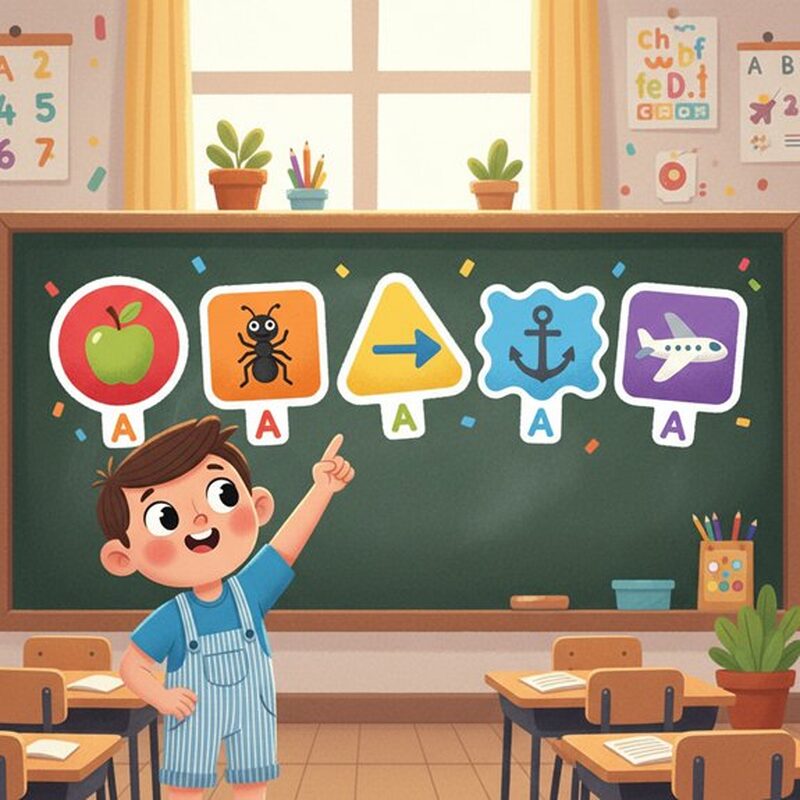
Visual aids can transform how you introduce **letter A vocabulary**, making abstract words more tangible and memorable. When you use **visual aids**, you’re not just telling learners about letter A words—you’re showing them, making the experience vivid and freeing their imagination. How can you do this effectively? Consider these three strategies:
1. **Flashcards with Images**: Pair each letter A word with a colorful picture—like an apple or an ant—so learners instantly connect the word to its meaning.
2. **Interactive Posters**: Create posters featuring letter A objects that learners can touch or move. This hands-on approach helps anchor new words in their minds.
3. **Digital Slideshows**: Use dynamic visuals and animations to keep the letter A words lively and engaging, perfect for sparking curiosity.
## Incorporating Letter A Words in Storytelling
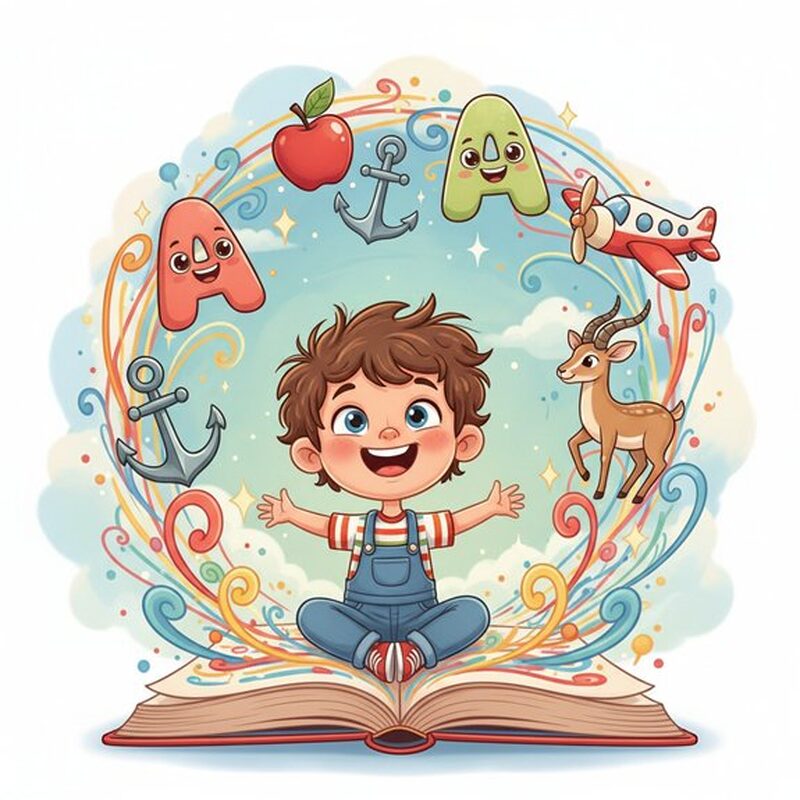
Stories have a unique way of bringing words to life, and when you weave letter A vocabulary into your storytelling, those words become memorable characters rather than just letters on a page. Have you ever thought about how **storytelling techniques** can turn simple words into adventures? By crafting characters around **letter A words**—like an **adventurous astronaut** or an **ambitious artist**—you give those words personality and depth. This approach not only boosts **character development** but also helps you connect emotionally with your audience. Instead of rote memorization, you create **vivid scenarios** where letter A words act out their roles, making learning feel less like a chore and more like a journey. So, why not challenge yourself to build stories where letter A vocabulary leads the plot? You’ll find that the words stick better and your storytelling skills soar, all while enjoying the freedom to explore language in creative, engaging ways. Ready to give it a try?
## Engaging Students With Letter a Themed Games
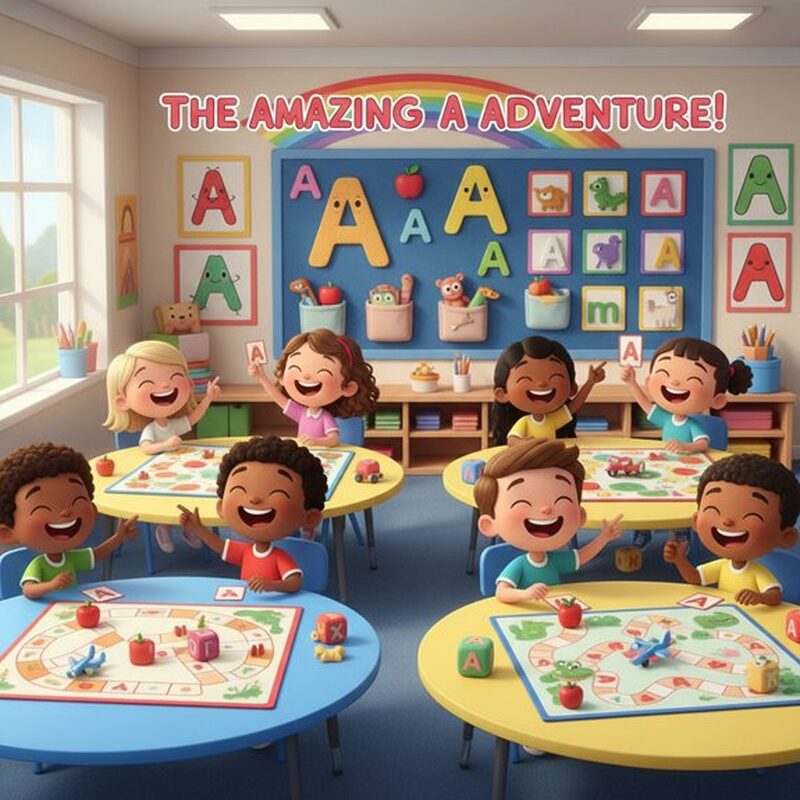
Are you ready to make learning the letter A unforgettable? **Interactive activities** and collaborative games not only spark excitement but also help students remember new words more effectively. How can you use these fun challenges to turn your classroom into an **alphabet adventure**?
### Interactive Letter A Activities
Immerse yourself in the world of **letter A** with **activities** that don’t just teach—you’ll find yourself playing along too. When you blend letter a crafts with letter a games, **learning becomes an adventure**. Why settle for passive listening when you can actively explore? Try these **interactive ideas**:
1. Create “A” art: craft apples, ants, or airplanes from paper and glue, turning letters into tactile fun.
2. Play letter a scavenger hunts, searching your space for objects starting with A—who knew “alarm clock” could be so exciting?
3. Engage in “A” sound challenges, where you guess words from clues or mimic animal noises starting with A.
These activities don’t just teach **vocabulary**; they invite freedom to explore, imagine, and play. Ready to plunge into?
### Collaborative Learning Games
Although group activities can sometimes feel chaotic, **collaborative learning games** centered on the letter A turn that energy into something productive and fun. Have you ever tried **team challenges** where students race to list as many “A” words as possible? It’s amazing how a little **friendly competition** sparks creativity and focus. Plus, **peer feedback** plays a huge role here—students learn from each other, correcting mistakes and celebrating clever ideas. These games don’t just teach **vocabulary**; they build **communication skills** and confidence. So, why stick to boring drills when you can engage your class with lively, letter A-themed games that encourage freedom and teamwork? Let your students plunge into, explore, and discover the power of collaboration while expanding their vocabulary effortlessly. Ready to shake things up?
## Creating Art Projects Featuring Letter A Words
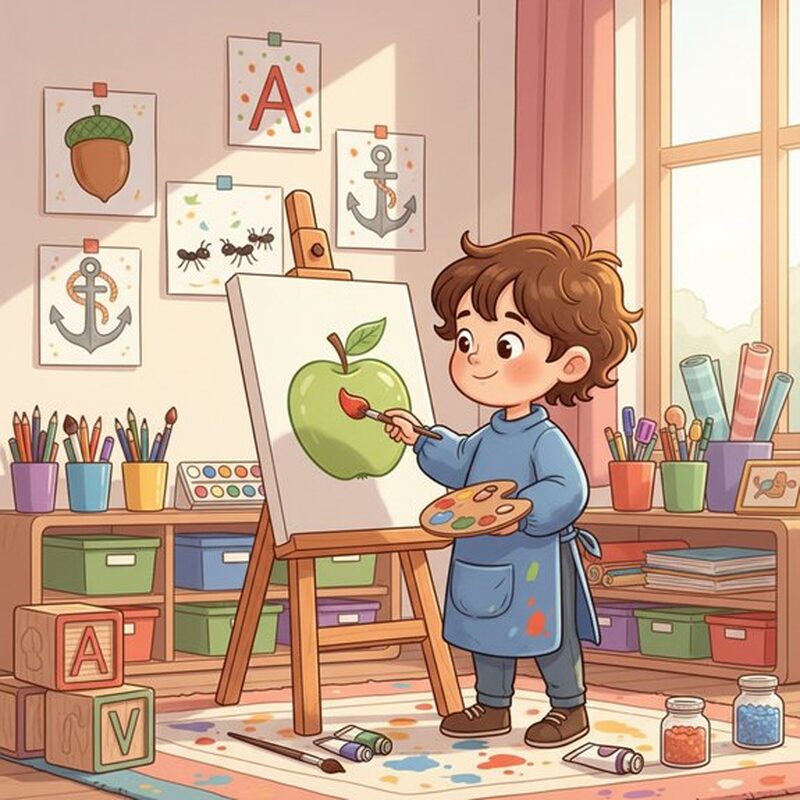
When you start creating art projects featuring words that begin with the letter A, you’re not just crafting pictures—you’re building connections between language and creativity. **Artistic expression** flows freely when you immerse yourself in **letter a crafts**, allowing you to explore vocabulary in a hands-on way. Why stick to **boring flashcards** when you can paint, collage, or sculpt words like apple, airplane, and ant? Here’s how to get started:
1. Pick your favorite letter A words and brainstorm **visual ideas**—think abstract or literal.
2. Gather **diverse materials**: colored paper, fabric, glue, and anything that sparks your imagination.
3. Create your **masterpiece**, focusing on how each word’s shape and meaning inspire your artistic choices.
This approach makes **learning feel like play**, freeing your mind to associate words with feelings and images. Isn’t it more fun to express vocabulary with your hands and heart, rather than just memorizing? Give it a try, and watch language come alive.
## Utilizing Songs and Rhymes With Letter a Vocabulary
Ready to make learning the letter A unforgettable? You’ll want to pick **catchy songs** and **fun rhymes** that stick in your head, then use repetition to really lock those words in. Think about it—how often do you find yourself humming a tune without even realizing it?
### Choosing Catchy Songs
Picking the right **catchy songs** to introduce **letter A vocabulary** can make a world of difference in how well students remember new words. When you delve into song selection, ask yourself: Does the tune stick in your head? Is the rhythm easy to follow? Does it emphasize the letter A sounds? Next, **lyrical analysis** is essential. Look for songs that clearly highlight words starting with A, making those terms pop out naturally. Here’s a quick checklist for you:
1. Choose songs with repetitive A sounds to **boost memory**.
2. Pick tunes that match the energy level of your class.
3. Confirm the lyrics are simple yet engaging for all learners.
### Engaging Rhymes Techniques
Songs are fantastic, but have you ever noticed how rhymes can sneak into your mind just as easily? When you use **rhyming games**, you tap into a **natural rhythm** that makes letter A vocabulary stick effortlessly. Think about it: pairing words like apple and ankle or ant and astronaut creates a playful connection through **word association**. These links don’t just help memory; they free your creativity, letting you explore language without rules weighing you down. So, why not **challenge yourself** or your students to craft short rhymes featuring A words? It’s a lively way to introduce new terms, and because rhymes have a way of echoing in your head, the vocabulary becomes part of your **mental soundtrack**. Ready to rhyme your way to learning?
### Reinforcing Through Repetition
A **clever way** to make letter A vocabulary stick in your mind is through repetition, especially when you weave songs and rhymes into your learning routine. Why settle for boring drills when you can enjoy **contextual learning** that feels natural and fun? Here’s how you can reinforce those tricky words:
1. Sing **catchy songs** that repeat letter A words, so your brain absorbs them effortlessly.
2. Use rhymes to connect words in a memorable rhythm, making recall a breeze.
3. Engage in **peer discussions**, sharing your favorite songs and rhymes, which deepens understanding and sparks creativity.
## Encouraging Writing Activities Focused on Letter A
Jumpstart your students' creativity by weaving **writing exercises** around the letter A. You can spark their imagination with **targeted writing prompts** that focus on words starting with A—think adventure, ambition, or art. Encourage them to explore these ideas freely, jotting thoughts in **vocabulary journals**, which become personal treasure troves of language. Have you noticed how this approach offers both **structure and liberty**? It’s like giving them a map but letting them choose the path. Writing about familiar letter A themes helps deepen understanding and makes vocabulary stick. Plus, when students write their own sentences or short stories using **A-words**, they’re not just memorizing—they’re making language their own. This method invites you to step back and watch as they express ideas with newfound confidence, all while enjoying the playful challenge of letter-focused writing. So why not turn the letter A into a launchpad for your students’ **unique voices**?
## Building Sentence Examples With Letter a Words
Now that you’ve encouraged students to explore **letter A vocabulary** through writing, it’s time to help them see how those words can come alive in sentences. You want them to feel the freedom to craft sentences that truly express ideas, using **strong sentence structure** and **thematic connections**. How do you start? Try these steps:
1. **Choose a few letter A words** that fit a theme—like **adventure, art, or animals**. This keeps their sentences relevant and exciting.
2. **Guide them to mix and match** these words in different sentence types. **Simple, compound, and complex sentences** all add variety and show how words interact.
3. **Encourage creativity** by asking, “What story does this sentence tell?” This question sparks imagination and deepens understanding.
## Reinforcing Letter A Vocabulary Through Interactive Technology
Imagine boosting your students’ letter A vocabulary by tapping into the digital world they already love. **Interactive storytelling** lets you do just that, turning learning into an adventure rather than a chore. You can guide them through **thematic exploration** where words like "apple," "astronaut," and "adventure" come alive within stories, games, or apps designed to engage their curiosity. Why stick to boring lists when you can immerse students in scenarios that challenge them to use new **vocabulary actively**? This approach not only reinforces their understanding but also encourages **creativity and critical thinking**. Plus, technology offers **instant feedback**, so learners know right away how they're doing, which keeps motivation high. Isn’t it freeing to see students excited about **expanding their vocabulary** without feeling confined by traditional methods? By embracing interactive tools, you empower your class to explore the letter A in a way that’s dynamic, memorable, and yes—fun. Who said vocabulary practice couldn’t be a **digital adventure**?
## Frequently Asked Questions
### How Do I Assess Students' Prior Knowledge of Letter a Vocabulary?
Want to access your students’ hidden vocabulary treasure? Start with a quick **vocabulary assessment**—ask them to list words beginning with “A” or use a fun quiz. This sparks **student engagement** and reveals what they already know. Ever wonder how free their minds really are? By tapping into their **prior knowledge**, you help them soar beyond limits. It’s like lighting a spark before the vocabulary firework show begins!
### What Are Common Pronunciation Challenges With Letter a Words?
You’ll notice **pronunciation differences** with letter A words often trip people up—think “apple” versus “ape.” **Common mispronunciations** include mixing short and long A sounds, which can confuse meaning. Ever wondered why “cat” and “cake” sound so different? That’s the vowel length and stress at work. Paying attention to these subtle shifts helps you **speak clearly and confidently**. Ready to master those tricky A sounds?
### How Can I Involve Parents in Reinforcing Letter a Vocabulary?
Want to make **learning letter A words** a fun family affair? You can send home activities that get parents involved, like simple games or storytelling using A-themed vocabulary. Providing **parent resources**, such as quick guides or flashcards, empowers them to reinforce what you teach effortlessly. After all, who wouldn't want their kid’s learning to continue beyond the classroom, turning everyday moments into exciting chances to explore new words together?
### Are There Cultural Considerations When Choosing Letter a Words?
Absolutely, you need to take into account **cultural context** when picking letter A words. Some words might carry different significance depending on backgrounds, so choosing terms that resonate universally helps avoid confusion or offense. Ever thought about how “apple” is simple, but “anthem” might mean a lot more culturally? By being mindful, you create a more **inclusive learning space**, letting everyone feel valued. Isn’t that **freedom in education** worth aiming for?
### How Often Should Letter a Vocabulary Be Reviewed for Retention?
You should **review letter A vocabulary** pretty regularly—think every couple of days at first, then space it out as you get comfortable. Why? Because **review frequency** plays a huge role in retention strategies; it keeps words fresh in your mind without becoming a chore. Ever noticed how cramming feels like a vocabulary battle lost? **Spaced reviews** give you freedom to learn naturally, making those “A” words stick without stress. Sound doable?
## Conclusion
So, ready to make the letter A come alive in your lessons? By mixing games, stories, and even art, you’ll **turn vocabulary into an adventure** rather than a chore. Why settle for dull drills when you can spark curiosity and creativity with every “apple” or “ant”? Remember, learning isn’t just about memorizing words—it’s about weaving them into the fabric of fun. Now, how will you start your letter A journey today?